
7 Ways To Cultivate A Diverse Community: A TEFL Way
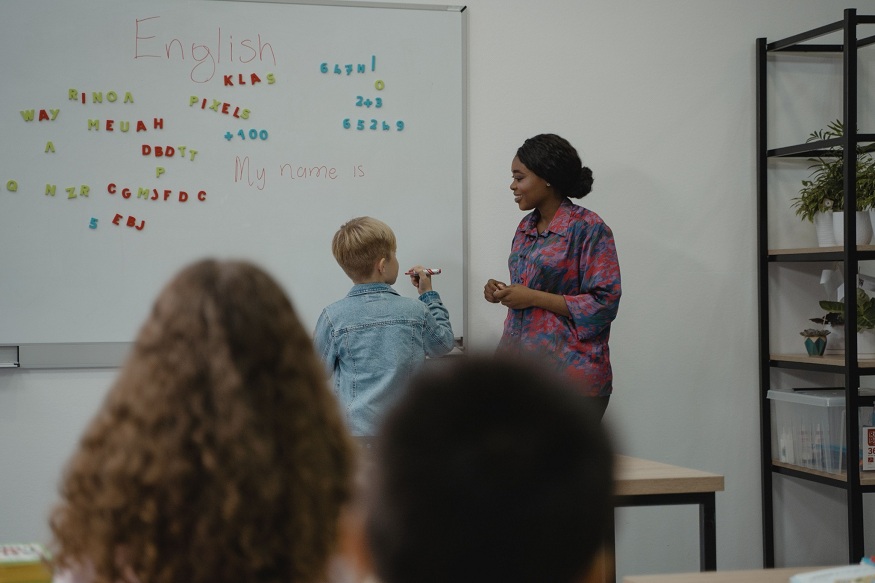
In today’s interconnected world, classrooms are no longer confined by geography. Especially in TEFL (Teaching English as a Foreign Language) environments, diversity is not an exception; it is the norm. Students come from different cultural backgrounds, speak different first languages, and bring unique perspectives into the learning space.
For educators, this presents both an opportunity and a responsibility.
The opportunity lies in creating rich, multicultural learning experiences. The responsibility lies in ensuring that every learner feels included, respected, and empowered. Cultivating a diverse classroom community is not just about representation; it’s about meaningful integration.
7 Practical TEFL Strategies to Turn Diversity into Your Classroom Strength
Here are seven powerful ways educators can build inclusive, diverse learning environments through a TEFL lens:
1. Create a Safe and Inclusive Learning Environment
The foundation of any diverse classroom is psychological safety. Students must feel comfortable expressing themselves without fear of judgment or exclusion.
This can be achieved by:
- Establishing clear classroom norms around respect and inclusion
- Encouraging open dialogue and active listening
- Addressing bias or insensitive behavior immediately
In TEFL classrooms, where students may already feel vulnerable due to language barriers, creating a safe environment is essential. When learners feel secure, they are more likely to participate, take risks, and engage fully.
2. Integrate Multicultural Content into Lessons
Language learning becomes more meaningful when it reflects the real world.
Instead of relying solely on standardized content, teachers can:
- Use texts, stories, and examples from different cultures
- Include global topics and perspectives in discussions
- Highlight cultural similarities and differences
This approach not only improves language skills but also broadens students’ worldview. It helps learners see English not just as a subject, but as a bridge connecting diverse cultures.
3. Encourage Student Voice and Identity
Every student brings a unique identity into the classroom. Recognizing and valuing these identities is key to building a diverse community.
Teachers can:
- Invite students to share their cultural experiences
- Use activities that allow personal expression
- Celebrate linguistic diversity rather than suppress it
When students see their identities reflected in the classroom, they feel a sense of belonging. This strengthens engagement and fosters mutual respect among peers.
4. Use Collaborative Learning Strategies
Diversity thrives in collaboration. Group activities, pair work, and project-based learning encourage students to interact with peers from different backgrounds.
Through collaboration, students:
- Develop communication skills
- Learn to navigate cultural differences
- Build empathy and understanding
In TEFL settings, collaborative learning also provides more opportunities for language practice, making it both inclusive and effective.
5. Address Language Barriers with Sensitivity
Language barriers are a natural part of TEFL classrooms, but they should never become obstacles to inclusion. It is also important to avoid correcting mistakes in ways that discourage participation. Instead, feedback should be constructive and encouraging.
Teachers can support learners by:
- Using clear and simple language
- Incorporating visual aids and gestures
- Allowing additional time for responses
Educators trained through programs such as the Online and Live Online TEFL Programs in the UAE are often equipped with strategies to manage multilingual classrooms effectively while maintaining inclusivity.
6. Promote Cultural Awareness and Empathy
A diverse classroom is an opportunity to build global citizens. For example, role-playing exercises or discussions about cultural norms can help students see the world from different viewpoints.
Teachers can promote cultural awareness by:
- Discussing global issues and perspectives
- Encouraging students to reflect on cultural differences
- Creating activities that foster empathy and understanding
This not only enhances language learning but also prepares students for real-world interactions in multicultural environments.
7. Commit to Continuous Learning as an Educator
Cultivating diversity is not a one-time effort; it is an ongoing process. Programs such as the 120-hour International Certificate in TEFL provide foundational training in teaching diverse learners, equipping educators with practical tools and cultural sensitivity.
Educators must continuously:
- Reflect on their own biases and assumptions
- Stay informed about inclusive teaching practices
- Seek professional development opportunities
Continuous learning ensures that teachers remain adaptable and responsive to the evolving needs of their students.
The Role of TEFL in Building Global Communities
TEFL is uniquely positioned to foster diversity. Unlike traditional classrooms, TEFL environments often bring together learners from different countries, cultures, and linguistic backgrounds.This creates a microcosm of the global community.
When managed effectively, TEFL classrooms become spaces where:
- Cultural exchange happens naturally
- Students learn from each other
- Language becomes a tool for connection
Educators play a crucial role in shaping this environment. Their approach can either bridge gaps or reinforce them.
Bottom Line
Cultivating a diverse classroom community is not just about teaching—it is about building connections, fostering understanding, and preparing students for a global world. Through thoughtful strategies and continuous learning, educators can create environments where every student feels valued and empowered.
Training through programs like the Online and Live Online TEFL Programs in the UAE equips teachers with the skills needed to manage diversity effectively.Because in the end, language is more than communication; it is a bridge. And in a diverse classroom, that bridge has the power to connect the world.












Post Comment
You must be logged in to post a comment.