6 Effective Ways of Using PBL to Support Young English Learners

KHDA approved teacher training institutes in Dubai

6 Effective Ways of Using PBL to Support Young English Learners

7 Views

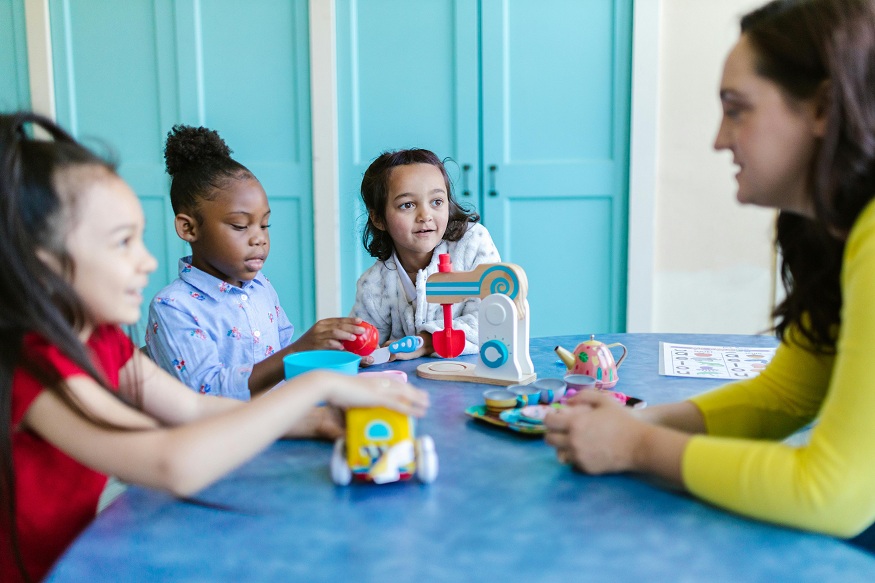
Project-Based Learning, commonly known as PBL, has become one of the most powerful approaches for supporting young English learners because it turns language from a subject into a living tool. Instead of learning English only through worksheets, memorised vocabulary, or grammar drills, children use the language to solve problems, create something meaningful, ask questions, collaborate, and present their ideas.

For young learners, this matters deeply. Children learn language best when it is connected to real experience, emotion, movement, visuals, play, and purpose. A classroom project gives them a reason to speak, listen, read, write, negotiate, and think in English. This is why teacher preparation through programs such as a KHDA approved advanced level TESOL certification is becoming increasingly important for educators who want to work effectively with multilingual learners, especially in international classrooms.

In Dubai and similar multicultural education hubs, English learners often come from diverse linguistic backgrounds. Teachers need more than fluency in English. They need strong pedagogy, cultural sensitivity, and practical classroom strategies. This is also why many educators look for KHDA approved teacher training institutes in Dubai to build their skills in learner-centred and inclusive teaching methods.

Why PBL Works for Young English Learners

PBL supports young English learners because it creates meaningful language use. Instead of asking children to repeat isolated words, teachers guide them through projects where vocabulary and grammar appear naturally.

For example, a project on “My Healthy Lunchbox” can help children learn:

  • Food vocabulary
  • Colours and shapes
  • Likes and dislikes
  • Simple sentence structures
  • Speaking and presentation skills
  • Listening to peers
  • Sorting and categorising information

In language learning literature, this connects closely with communicative language teaching and constructivist learning. Children acquire language more effectively when they use it for interaction, problem-solving, and self-expression. PBL also supports social learning because students learn from teacher modelling, peer conversation, and shared classroom experiences.

Most importantly, PBL gives young learners confidence. They are not just answering questions. They are building, creating, choosing, explaining, and participating.

How to Use PBL to Build Language Confidence in Young Learners

Here are a few ways teachers can use PBL to help young learners speak, create, collaborate, and build real confidence in English:

  1. Start With a Simple, Child-Friendly Driving Question

Every strong PBL activity begins with a driving question. For young English learners, this question should be simple, visual, and connected to their world. It should invite curiosity without overwhelming them.

Instead of asking, “How can we promote environmental sustainability in our school community?” a teacher may ask:

  • “How can we keep our classroom clean and green?”
  • This question is easier for young learners to understand and act upon.
  • Good driving questions for young English learners include:
  • How can we make a class storybook?
  • What makes a healthy lunch?
  • How can we help a new student feel welcome?
  • What animals live near us?
  • How can we save water at school?
  • What makes a good friend?

These questions create a real purpose for language. Students need English to discuss, draw, label, ask, answer, describe, and present. For educators completing a KHDA approved advanced level TESOL certification, designing age-appropriate prompts is an important skill because the question shapes the entire learning experience.

  1. Build Vocabulary Before the Project Begins

Young English learners need language support before they can participate confidently in a project. Teachers should not assume that children will automatically “pick up” all the words they need during the activity. PBL works best when vocabulary is introduced, practised, displayed, and reused throughout the project.

Before starting a project, teachers can pre-teach:

  • Key nouns
  • Action verbs
  • Describing words
  • Question words
  • Useful classroom phrases
  • Project-specific expressions

Vocabulary should be taught through pictures, gestures, real objects, songs, games, and repetition. Young learners remember words better when they see, hear, say, and use them in different ways.

A useful strategy is to create a “project word wall.” This gives students constant visual support. Teachers can add images, simple definitions, and sentence examples.

  1. Use Group Roles to Encourage Speaking

In many English classrooms, confident learners speak more while quieter learners remain silent. PBL can solve this problem if group roles are planned carefully. Roles give every child a reason to participate. For young learners, roles should be simple and concrete.

Possible roles include:

  • Speaker: shares the group’s idea
  • Drawer: draws the picture
  • Helper: gives materials
  • Word Finder: checks the word wall
  • Question Asker: asks the teacher or peers for help
  • Presenter: shows the final work

These roles make collaboration easier. They also give children small speaking responsibilities instead of expecting them to speak freely without support. This type of structured interaction supports oral language development. It also builds classroom confidence because students know what they are expected to do.

Teachers trained through KHDA approved teacher training institutes in Dubai often learn how important classroom structure is in multilingual settings. Young learners need freedom to explore, but they also need routines, modelling, and clear expectations.

  1. Turn Projects Into Multi-Skill Language Practice

One of the strongest benefits of PBL is that it naturally integrates listening, speaking, reading, and writing. Instead of teaching these skills separately all the time, teachers can bring them together through one meaningful project.

For example, in a project called “Our Class Weather Report,” students may:

  • Listen to a short weather song
  • Learn words like sunny, rainy, cloudy, windy
  • Read simple weather labels
  • Draw weather symbols
  • Ask classmates, “What is the weather today?”
  • Record daily weather on a chart
  • Present a weekly weather report

This one project supports multiple language skills in a natural sequence.  For young English learners, this multi-skill approach is far more effective than isolated grammar instruction. They see how English works across real communication tasks.

  1. Use Visuals, Models, and Sentence Frames

Young English learners need to know what success looks like. If a teacher says, “Make a poster and present it,” many children may feel confused. But if the teacher shows a model poster, demonstrates a short presentation, and gives sentence frames, the task becomes manageable.

Visual and language scaffolds may include:

  • Sample project models
  • Picture cards
  • Labelled diagrams
  • Step-by-step charts
  • Sentence starters
  • Word banks
  • Teacher demonstrations
  • Peer examples

This may seem simple, but for young English learners, it is meaningful language production. They are using vocabulary, grammar, pronunciation, sequencing, and confidence together.

A KHDA approved advanced level TESOL certification can help teachers understand how scaffolding works in real classrooms. The aim is not to make tasks easier in a shallow way. The aim is to make complex learning accessible.

  1. End With Reflection, Not Just Presentation

Many classroom projects end with a display or presentation. While this is valuable, young learners also need reflection. Reflection helps children think about what they learned, how they worked, and what they can do better next time.

Reflection does not have to be complicated. Teachers can use simple prompts such as:

  • What did you learn?
  • What word did you use today?
  • What was easy?
  • What was difficult?
  • What did your group do well?
  • What will you try next time?

For very young learners, reflection can be visual. This step builds metacognition, which means students begin to understand their own learning process. In language education, reflection helps learners notice progress. A child who says, “I can say three animal names now,” is beginning to see themselves as a successful English user.

Reflection also helps teachers. It shows which words students remember, which tasks were difficult, and what support may be needed in the next project.

Practical PBL Project Ideas for Young English Learners

Teachers can begin with small, manageable projects before moving into larger ones. Some effective classroom ideas include:

  • My Mini Market: Students create a pretend shop and practise food, numbers, and polite phrases.
  • Our Class Storybook: Students draw scenes and write or dictate simple sentences.
  • Healthy Habits Poster: Students learn action verbs like eat, sleep, wash, run, and drink.
  • Animal Homes: Students match animals with habitats and present simple facts.
  • My Dream Classroom: Students design a classroom and describe objects using prepositions.
  • Weather Watchers: Students observe weather and create a daily weather chart.
  • Welcome Kit for New Students: Students create cards, maps, and friendly phrases.

These projects do not need expensive materials. Paper, crayons, flashcards, classroom objects, and simple digital tools are enough. What matters most is purposeful language use.

Bottom Line

A KHDA approved advanced level TESOL certification can equip educators with the skills to use Project-Based Learning in ways that genuinely support young English learners. PBL is not simply about making posters or doing fun classroom activities. It is about giving children meaningful reasons to use English through inquiry, collaboration, creativity, and reflection.

When PBL is designed well, children do more than learn English. They use English to think, create, connect, and participate. That is where real language growth begins.